About Multi Station Manifold Blocks
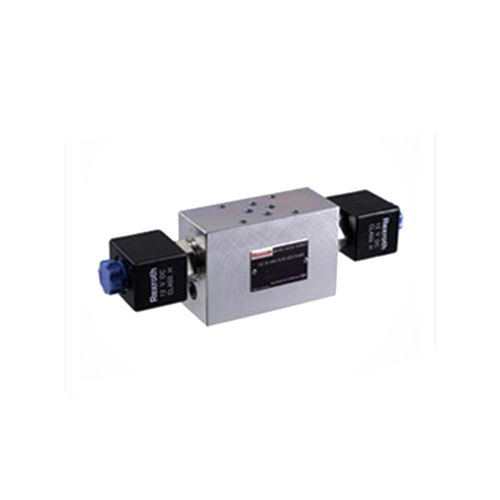
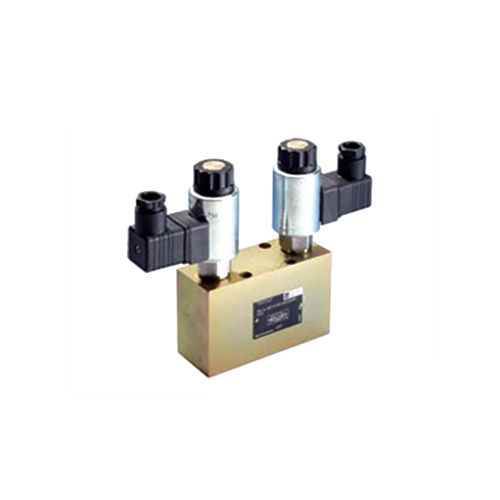
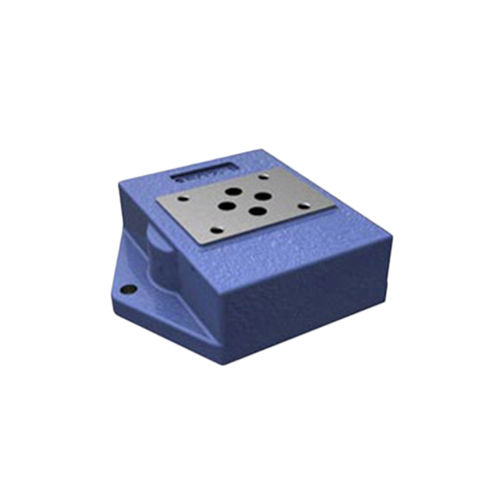
Multi Station Manifold Blocks are components used in hydraulic or pneumatic systems to manage and control the flow of fluid to multiple stations or components. It plays a crucial role in optimizing fluid power distribution within a system, providing efficiency, control, and flexibility. These manifold blocks typically incorporate various valves, ports, and connections to distribute fluid power efficiently. They often have standardized mounting patterns, making it convenient to install and connect to other components. Multi Station Manifold Blocks are designed for easy integration into hydraulic or pneumatic systems. They often have standardized mounting patterns, making it convenient to install and connect to other components.
Versatile Modular DesignEngineered for flexibility, these Multi Station Manifold Blocks can be configured with anywhere from 2 to 10 stations. The modularity ensures they can be adapted for different industrial setups, providing easy scalability and reconfiguration without disrupting existing pneumatic circuits.
Customizable for Unique RequirementsManufactured from robust stainless steel and available in custom sizes with various surface finishes, these manifolds can be tailored for special configurations. Options for port size, end plates, and sealing materials ensure compatibility with a variety of industrial processes and system demands.
High Efficiency and ReliabilityWith a high flow rate and low leakage, these manifolds ensure energy-efficient operation and optimal performance in demanding environments. Fast response times and the ability to withstand pressures up to 10 Bar make them suitable for rapid, precise control applications in automation.
FAQ's of Multi Station Manifold Blocks:
Q: How do I select the appropriate number of stations for my application?
A: Determine the total number of pneumatic valves or actuators you need to connect; choose a manifold block with sufficient stations (options from 2 to 10) to accommodate your system's requirements now and for potential future expansions.
Q: What setup process is required for installing these manifold blocks?
A: Installation involves base or panel mounting the manifold, attaching your valves or actuators, connecting ports with either BSP or NPT threaded fittings, and ensuring secure sealing with NBR or FKM O-rings. Mounting screws, gaskets, and end plates are provided as necessary accessories.
Q: When is it recommended to consider anodized or nickel-plated surface finishes?
A: Anodized or nickel-plated surfaces are beneficial when enhanced corrosion resistance or aesthetic appeal is crucial, such as in damp or chemically aggressive industrial environments. These finishes also help extend the lifespan of the manifold block.
Q: Where can these Multi Station Manifold Blocks be used?
A: They are ideal for industrial automation, pneumatic circuits, and process control systems commonly found in manufacturing, material handling, packaging, and similar sectors requiring efficient multi-valve distribution.
Q: What is the benefit of a modular, block-type structure?
A: The modular, block-type design provides compactness, easy expansion, and straightforward maintenance. This structure allows quick upgrades and replacement of parts like seals or end caps without full unit replacement.
Q: How do I ensure media compatibility and leak prevention?
A: These manifolds are intended for use with compressed air and neutral gases. High-precision machining and reliable sealing (NBR or FKM O-rings) ensure leak rates remain below 0.1 ml/min, maximizing system efficiency and safety.
Q: Are replacement parts and customization options available?
A: Yes, spare seals, end caps, and customizations (such as non-standard port sizes, special configurations, or particular sealing materials) are available upon request to address specific application needs and system integrations.





 Send Inquiry


 Send Inquiry
 Send Inquiry
 Send SMS


